AMIR Heydari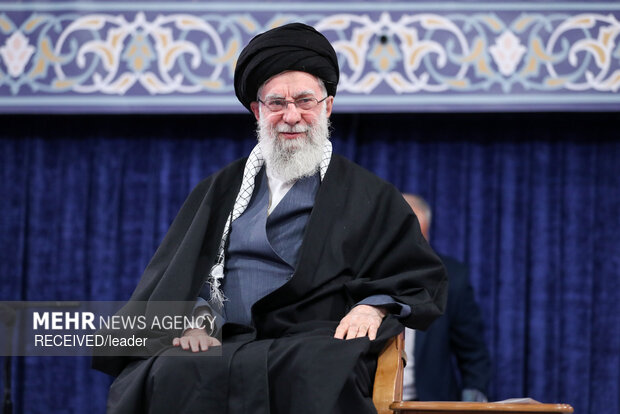
The Leader of the Islamic Revolution’s recent statements should be analyzed beyond a momentary stance. These remarks were, in fact, an explanation of the Islamic Republic’s strategic framework for negotiations and, at the same time, a direct response to the threatening atmosphere created by US President Donald Trump.
These statements can be examined at two complementary levels: determining the red lines of negotiations and deterrence against military threats.
1. Drawing the expectations and red lines of negotiations
In the first part, the Leader of the Islamic Revolution explicitly emphasized that the principle of Iran’s nuclear program is not an issue for closure or halting negotiations. In other words, the framework of negotiations cannot be aimed at denying Iran’s nuclear rights. Also, any possible agreement should not target the country’s security and defense foundations or national authority.
In this context, Iran’s main demands are clear:
Preserving nuclear infrastructure within the framework of international law.
Protecting the country’s defense and security capabilities.
Effective lifting of economic sanctions and ending the livelihood pressure on the Iranian people.
This position is practically a clear guideline for the negotiating team. The message is clear: If restrictions are accepted, these restrictions must be in return for a real and verifiable concession, namely the lifting of sanctions, not just political promises.
2. A deterrent response to the threat rhetoric
The second part of the statements concerned the recent threats of the US President, including references to the deployment of military ships in the region and emphasizing the power of the US military. Ayatollah Khamenei’s response was clear and without any verbal considerations: any army, even the largest, can be hit, and any ship, even if it is formidable, is vulnerable to the appropriate weapon.
This position can be analyzed in the logic of deterrence. If a unilateral threat remains unanswered, it leads to a miscalculation by the other side. The counter-response resets the cost-benefit equation for the other side, especially since regional experiences have shown that hardware superiority does not necessarily mean strategic immunity.
3. Impact on the negotiation equation
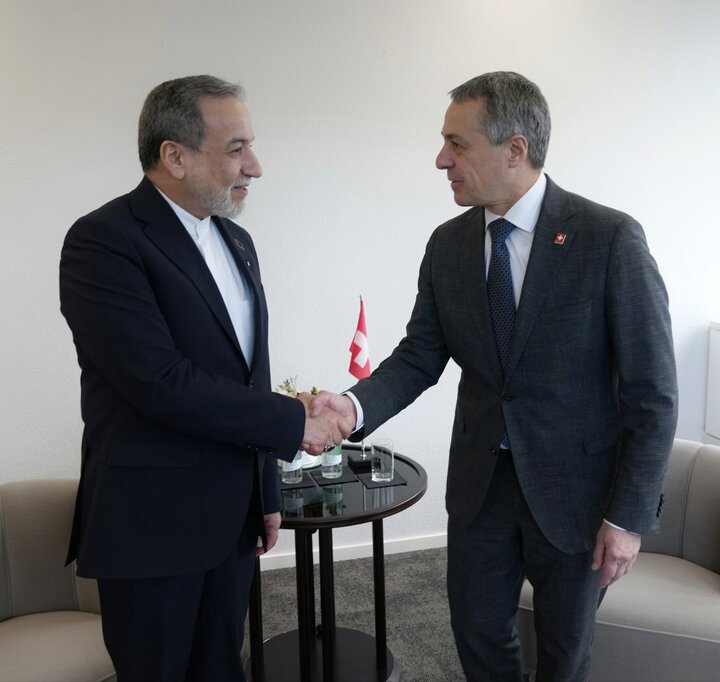
The recent statements also have consequences from a diplomatic perspective. The negotiating team in Geneva, backed by such a position, is in a stronger position. When the other side knows that Iran will not back down in the face of military or psychological pressure, the atmosphere for dialogue becomes more realistic.
At the same time, this position does not simply refer to foreign policy. The demand from the government and the executive branch is also clear; redoubled efforts to meet the needs of the people and improve economic conditions. If the negotiations are to be successful, the ultimate criterion must be a tangible reduction in the pressure on citizens’ lives.
The statements of the Leader of the Islamic Revolution can be considered a combination of deterrence and diplomacy; neither retreating from threats nor closing the path to dialogue.
The red lines have been drawn; the negotiating field is open. Now the main test will be at the negotiating table, and in measuring the will of the other side to accept a balanced and sustainable agreement.
DID