AMIR Heydari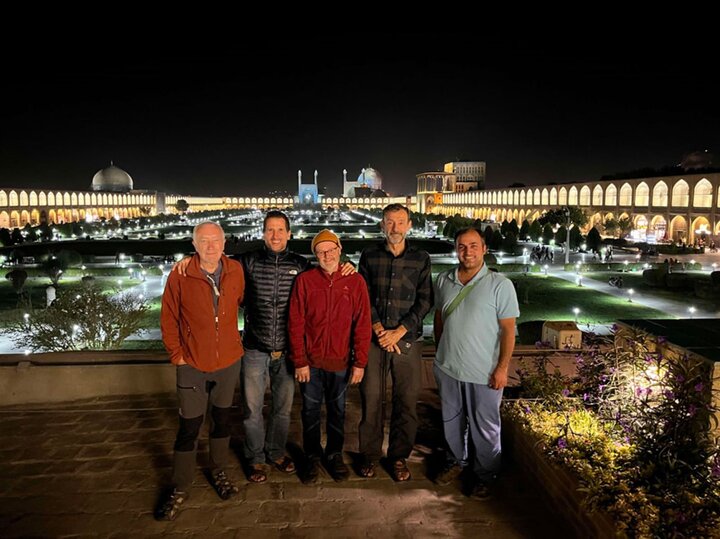
Iran is a land of contrasts and wonders, where ancient history meets modern life, deserts stretch to the horizon, and lush jungles hide in the north. Choosing where to go in Iran can be challenging, simply because every corner of this vast country holds treasures waiting to be discovered. From grand cities full of history to remote villages that feel untouched by time, from endless deserts to colorful islands and nomadic cultures, Iran offers a wealth of experiences for travelers who want to see more than just the typical sights. Traveling to Iran is like opening a storybook of civilization, culture, and nature. To help you plan your trip to Iran, here is a guide to some of the top places to visit in Iran, organized by the type of experience each destination offers.
Iran is a land of contrasts and wonders, where ancient history meets modern life, deserts stretch to the horizon, and lush jungles hide in the north. Choosing where to go in Iran can be challenging, simply because every corner of this vast country holds treasures waiting to be discovered. From grand cities full of history to remote villages that feel untouched by time, from endless deserts to colorful islands and nomadic cultures, Iran offers a wealth of experiences for travelers who want to see more than just the typical sights.
Traveling to Iran is like opening a storybook of civilization, culture, and nature. To help you plan your trip to Iran, here is a guide to some of the top places to visit in Iran, organized by the type of experience each destination offers.
Cities: Where History and Modernity Meet
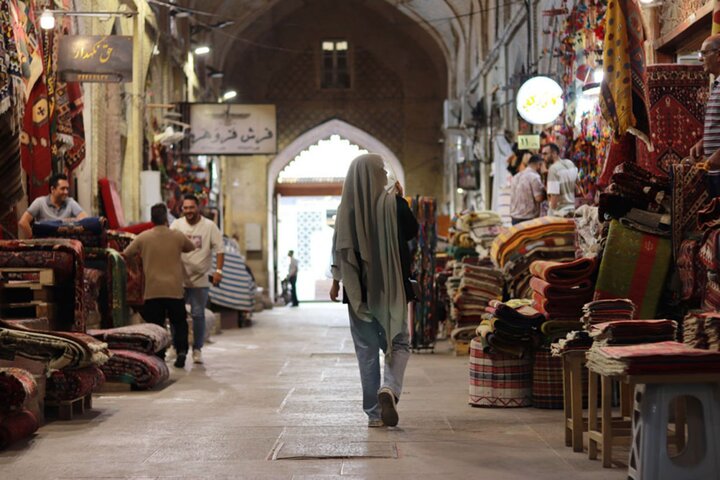
Iran’s cities are the heartbeat of the country, offering a mix of historical landmarks, bustling bazaars, museums, and contemporary attractions. Each city has its own personality and tells a unique story of Iran’s past and present. For visitors, a classic route through Tehran, Shiraz, Isfahan, Yazd, and Kashan is a good choice. They offer a comprehensive glimpse into Iran’s rich history, culture, and breathtaking architecture.
Shiraz is often described as the cultural soul of Iran. The city is famous for its poetry, gardens, and warm, welcoming people. Walking through Shiraz, you encounter the legacy of ancient empires in the majestic ruins of Persepolis and Pasargadae, which are just a short drive from the city. Shiraz’s gardens, like Eram Garden, create peaceful oases in the middle of urban life, perfect for a reflective stroll or photography.
Isfahan, often called “Half of the World,” is a city of mesmerizing beauty. Its historic bridges, such as Si-o-se-pol and Khaju, are iconic landmarks inherited from the past. The grandeur of Naqsh-e Jahan Square, surrounded by magnificent mosques and palaces, captures the essence of Persian art and architecture. Isfahan’s streets are also a hub for traditional crafts like miniature painting, jewelry, and carpets.
Yazd offers a very different atmosphere. Nestled in the desert, it is famous for its windcatchers, mud-brick architecture, and underground water channels known as qanats. Yazd is also a center of Zoroastrian heritage, making it a fascinating destination for those interested in history and spirituality. Its quiet alleys and traditional houses transport visitors to another era.
The capital city, Tehran, shows Iran’s modern side. It’s a vibrant mix of museums, cafes, art galleries, and contemporary culture, all set against a backdrop of mountains. From Golestan Palace to the trendy neighborhoods full of modern restaurants and shops, Tehran gives a taste of both the country’s history and its current urban life.
For a smaller, yet equally charming city, Kashan offers a glimpse of traditional Persian architecture and serene desert landscapes. Famous for its historical houses and rosewater traditions, Kashan allows travelers to experience a slower, more contemplative pace of life.
Villages: Authentic Iranian Life
If you want a taste of authentic Iranian life, visiting villages is a must. In villages, time seems to move slower, traditions are alive, and the local culture is palpable.
Abyaneh, near Kashan, is famous for its red-clay houses and winding alleys. Walking through Abyaneh feels like stepping into a living museum, with locals dressed in traditional attire and centuries-old customs still in practice.
Meymand, near Kerman, is a troglodyte village carved into rocky hillsides, where people have lived in cave dwellings for thousands of years. Its harmony with nature and enduring traditions create a deeply authentic experience.
In the Hawraman region, nestled in western mountains, terraced stone houses, Kurdish hospitality, and local music give visitors a sense of life that has remained unchanged for generations.
Kandovan, near Tabriz, is often called Iran’s “living Cappadocia,” with homes carved into volcanic rock formations. And in the north, Masuleh climbs up the green slopes of the mountains, its rooftops doubling as streets, offering misty mountain views and cozy teahouses that invite travelers to slow down and absorb the local spirit.
Deserts: Endless Sands and Starry Skies
Iran’s deserts are vast and dramatic, providing landscapes that feel almost otherworldly. The Lut Desert, a UNESCO World Heritage site, is home to towering kaluts, fiery pebble plains, and endless dunes. It’s a paradise for photographers, adventurers, and anyone who enjoys the starry nights vast silence of the desert.
Near Isfahan, golden dunes meet salt lakes, and ancient mills dot the landscape, perfect for eco-camping and camel treks. The deserts near Kashan, including Marnjab and Matin Abad, combine historical caravanserais with adventure tourism. And around Yazd, peaceful sands stretch under the night sky, offering unforgettable 4WD safaris and starry nights.
Islands: Coastal Beauty and Relaxation
Iran’s southern islands along the Persian Gulf are vibrant, colorful, and full of life. Qeshm, the largest island, features shimmering geological formations, mangroves, and canyons that make it feel like a world apart. Hormuz surprises visitors with its rainbow-colored cliffs, while Hengam offers calm beaches and playful dolphins. Kish is a resort island, perfect for coral reefs, shopping, and modern coastal tourism.
These islands are perfect for travelers who want to combine nature, culture, and relaxation in one destination. From seafood feasts to pristine beaches, the Persian Gulf islands reveal a side of Iran that many visitors don’t expect.
Nomads: Living Traditions
Iran’s nomadic tribes provide an extraordinary ImmersiveIran experience. The Qashqai of the south are known for their vibrant carpets and bold traditions. The Bakhtiari nomads navigate the Zagros Mountains, moving with the seasons in a rhythm of pastoral life. The Shahsavan in the northwest, the Kurdish tribes in the west, the Arab people of southwest, and the Baseri of Fars Province all maintain traditions that have been passed down for centuries. Spending time with these communities offers a unique insight into Iranian life away from the cities.
This article is an advertisement and Mehr News Agency has no opinion on its content.