US President Donald Trump has once again taken an aggressive and confrontational stance against Iran, openly threatening military strikes and harsher sanctions if Tehran refuses to strike a deal with Washington.
In a phone interview with NBC News on Sunday, Trump confirmed that American and Iranian officials had been in contact but refused to provide any details. Instead, he issued a hostile threat: “If they don’t make a deal, there will be bombing.”
He further warned that if negotiations failed, he would reinstate secondary sanctions similar to those imposed four years ago.
Trump’s rhetoric underscores the US administration’s continued reliance on intimidation and economic pressure, rather than pursuing a path of mutual respect and diplomatic resolution—an approach that has only deepened tensions in the region.
Trump’s remarks come as Iranian President Masoud Pezeshkian on Sunday clarified that while Iran has explicitly rejected the possibility of direct negotiations with the United States, the option of indirect talks remains on the table.
“As we have stated before, Iran has never closed the channels of indirect communication. In its response, Iran reaffirmed that it does not avoid negotiations, but rather, it has just been the United States’ repeated violations of agreements and commitments that have created obstacles in this path.”
He stressed that if the US seeks to restore negotiations, it must first rebuild trust by rectifying past breaches, adding that it is the Americans’ approach that determines the continuation of the negotiation path.
MP/
Trump resorts to war talk against Iran
AMIR Heydari
Politics - March 31, 2025
- 0 Comments

Related Posts
- IAEA
- Iran-US Talks
- February 19, 2026
- 0 Comments
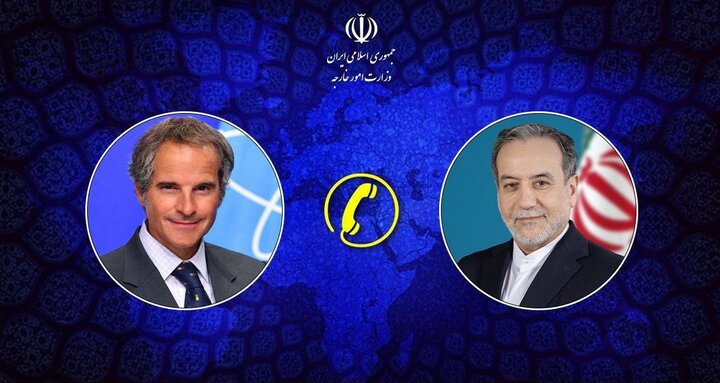
Araghchi, Grossi discuss future cooperation, talks with US
TEHRAN, Feb. 18 (DID) – Foreign Minister Abbas Araghchi held a phone call with the Director General of International Atomic Energy Agency (IAEA) Rafael Grossi to discuss the Tehran and Washington nuclear talks and future cooperation.
- donald trump
- Iran
- February 18, 2026
- 0 Comments
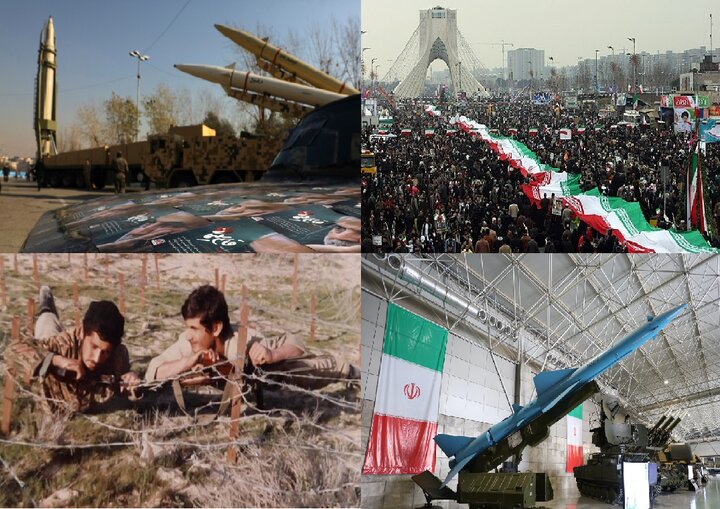
Iran after 47 years: From survival to consolidation of power
TEHRAN, Feb. 18 (DID) – Forty-seven years on, Iran presents itself not as a state under threat, but as a system empowered during crisis. The message: external pressure strengthened internal cohesion.