AMIR Heydari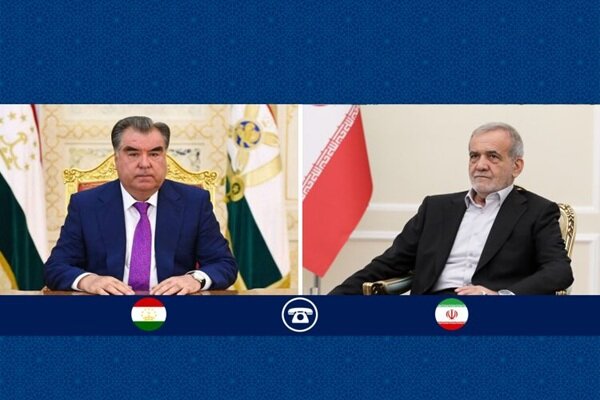
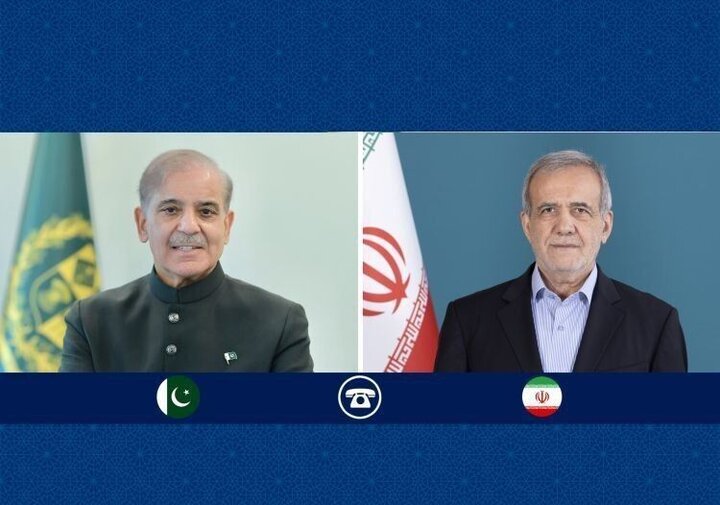
During a phone conversation between President Pezeshkian and his Tajik counterpart Emomali Rahmon, both sides welcomed the recent memorandum of understanding (MoU) on ending war between Iran and the US and emphasized the importance of strengthening peace and stability across the region.
They also highlighted the need to expand bilateral cooperation in economic, trade, tourism, and cultural fields, underlining the importance of deepening ties between Tehran and Dushanbe.
President Pezeshkian, referring to recent regional developments, expressed hope that greater unity among Islamic countries would help prevent destabilizing and aggressive policies in the region and pave the way for sustainable security and peace.
He stressed that Iran and Tajikistan share deep historical, cultural, and civilizational bonds, describing bilateral relations as strategic.
The Iranian president further noted that Iran is determined to expand cooperation across all areas of mutual interest. He also expressed gratitude for President Rahmon’s goodwill messages and support, voicing optimism that the current positive atmosphere would enhance relations between the two countries.
Pezeshkian underscored the importance of continued consultations and reciprocal high-level visits to further elevate the level of bilateral relations between Tehran and Dushanbe.
In response, President Rahmon congratulated Iran on reaching the recent MoU to end the war, describing it as a hopeful development for the peoples of the region. He noted that achieving such an agreement in the current complex international environment was not easy and expressed satisfaction among friends of Iran over this progress.
The Tajik president wished lasting peace, stability, and security for the Iranian people and the wider region, reaffirming his country’s readiness to expand practical cooperation in various sectors.
He also emphasized Tajikistan’s strong interest in further developing relations with Iran and expressed hope that the current positive momentum would open new opportunities for economic cooperation, investment, tourism, and people-to-people exchanges, ultimately deepening the friendly and brotherly ties between Tehran and Dushanbe.
DID