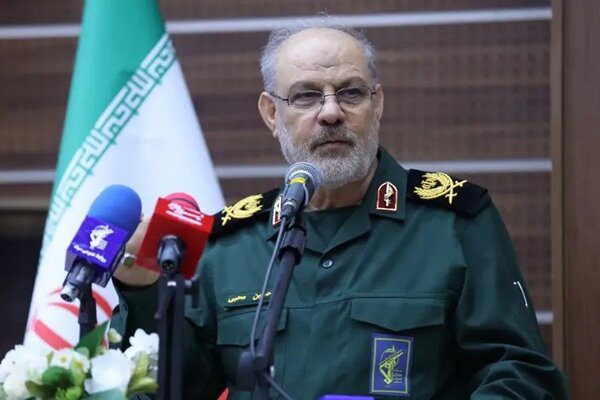
AMIR Heydari
Omani Foreign Minister Sayyid Badr Albusaidi has called for a fundamental overhaul of the Persian Gulf’s security architecture, asserting that the decades-long policy of “containing” Iran was built on a falsehood.
In a newly published op-ed, Albusaidi argued that the “Iran threat” was used as a pretext to militarize the region with U.S. bases and excessive defense spending—none of which proved effective. He urged regional states to abandon exclusionist policies and transition toward an inclusive, cooperative security framework.
The Myth of ‘Containment’ and the Illusion of the Iran Threat
Reflecting on the security architecture of the Persian Gulf since 1979, Albusaidi wrote that regional security has long been organized around the concept of “containment.” This policy, he noted, was designed to exclude Iran under the guise of defending Western interests against an existential threat.
The fundamental flaw in this logic, Albusaidi stated, was that Iran was never actually such an existential threat.
Ultimately, Albusaidi asserted that the recent war had demonstrated that the containment policy was nothing but a myth. He added that this reality was now being acknowledged even by those who had spent over 45 years defending the policy as an unavoidable necessity.
Tel Aviv Identified as the Real Threat to Regional Security
Albusaidi shifted the focus of regional instability away from Tehran, pointing instead to external actors and Israeli policy.
The Foreign Minister wrote that the greatest threats to Persian Gulf security did not originate from within the region, but were rather the result of decisions and actions taken outside of it, chiefly in Tel Aviv.
He noted that this reality had now become undeniable, raising critical pquestions about what this realization meant for the future of regional security and how the broader security landscape should be addressed.
A New Inclusive Security Framework for the Eight Littoral States
Albusaidi emphasized that any viable future security arrangement must include all eight countries bordering the Persian Gulf: the six members of the Persian Gulf Cooperation Council (PGCC), alongside Iraq and Iran. He noted that both Iraq and Iran have historically been the primary targets of containment policies and foreign military interventions.
DID